
Plastic waste is becoming a bigger challenge for factories across Sri Lanka. From packaging materials and production scraps to plastic wraps and containers, industrial businesses generate a large amount of waste every day. In 2026, factories are under more pressure to improve recycling practices as customers, export buyers, and environmental authorities now expect cleaner and more responsible operations.
A proper Plastic Recycling Checklist Sri Lankan Factories can follow helps businesses reduce waste, lower disposal costs, improve workplace cleanliness, and stay prepared for future sustainability standards. The good thing is, factories do not always need expensive systems to improve recycling. Simple steps like better waste separation, employee awareness, and regular monitoring can already make a noticeable difference. This guide explains the key recycling practices factories should focus on to build cleaner, more efficient, and more sustainable operations moving forward.
Why Plastic Waste Management Matters More in 2026
Plastic waste management is no longer one of those topics companies discuss once a year during an environmental meeting and then forget about. It’s now part of daily factory operations whether businesses like it or not. Industrial waste is increasing fast across Sri Lanka, especially in sectors like manufacturing, garments, packaging, logistics, and food processing. And plastic? It’s everywhere.
The problem is not just the amount of waste. It’s how badly waste is managed in many places. In some factories, recyclable plastics are still mixed with food waste, chemical waste, paper waste — basically everything thrown into the same bin because workers are busy and nobody really monitors the process properly. Then later management wonders why recycling “doesn’t work.”
A solid Plastic Recycling Checklist Sri Lankan Factories can follow helps businesses organize waste better, reduce landfill waste, improve cleanliness, and avoid unnecessary operational mess. And honestly, cleaner factories usually run smoother too. Less clutter. Less confusion. Less waste everywhere.
The Complete Plastic Recycling Checklist for Factories
A proper recycling system is more than placing a few bins around the building and hoping workers magically use them correctly. That usually fails after a week or two. Factories need an actual structure — something practical people can follow every day without confusion.
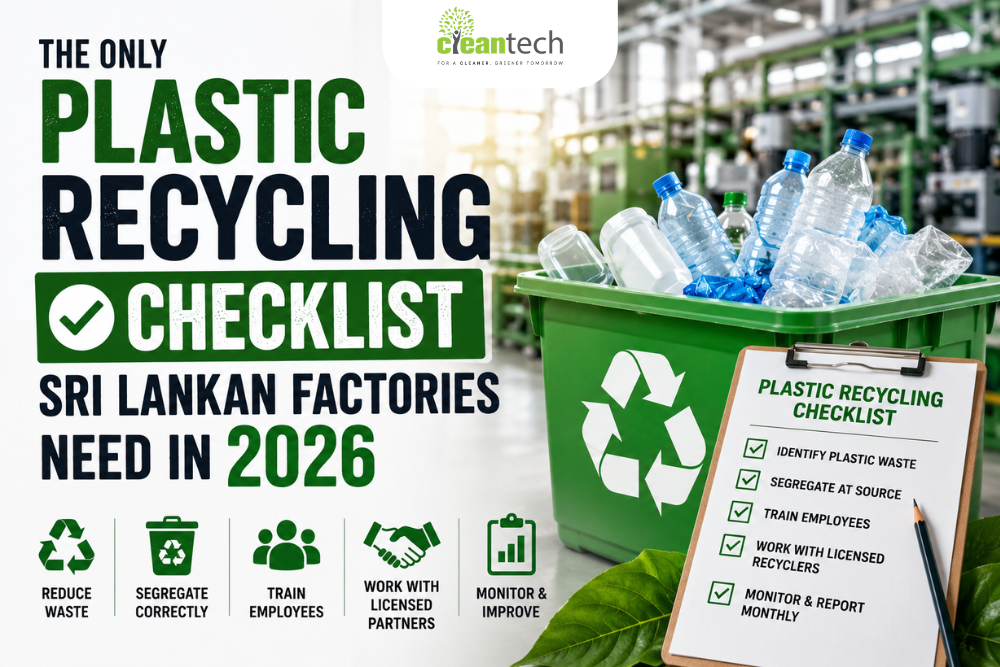
A strong Plastic Recycling Checklist Sri Lankan Factories should focus on waste identification, segregation, staff awareness, recycling partnerships, and regular monitoring. Simple in theory, yes. But consistency is the hard part.
Identify Every Type of Plastic Waste
First things first, factories need to understand what kind of plastic waste they are actually producing. Sounds basic, but many businesses skip this part completely.
Some waste comes from packaging. Some comes from production scraps. Other materials come from transport operations, storage, disposable items, or damaged supplies. Different plastics need different handling methods too, so identifying them properly matters more than people think.
Once factories understand where most waste is coming from, reducing it becomes much easier.
Set Up Waste Segregation Stations
Honestly, segregation can make or break the whole recycling system.
If workers throw plastic waste into the same bins as food waste or chemical waste, recycling efficiency drops almost immediately. Then management blames the recycling company when the actual problem started inside the factory itself.
Factories should create separate waste stations with clear labels and color-coded bins. Nothing complicated. Workers just need a system that’s easy to follow during busy work hours.
And yes, placing bins in the wrong location matters too. If waste stations are inconvenient, employees will take shortcuts. That’s just human nature.
Train Employees on Recycling Procedures
A recycling system without employee awareness is basically a fancy decoration.
Workers handle waste daily, so they need proper guidance. Not long boring seminars nobody remembers afterward, but practical instructions they can actually use. Simple reminders work surprisingly well sometimes.
Posters near waste stations, short awareness sessions, quick demonstrations — these things help build habits slowly. Once recycling becomes part of the routine, the system starts working naturally.
Some factories underestimate this step badly. Then later they wonder why contamination problems keep happening.
Partner With Licensed Recycling Providers
Not every recycling company handles waste responsibly. Some businesses collect waste properly inside the factory, but the recycling partner later mismanages everything outside. That creates another problem entirely.
Factories should work with licensed recycling providers that follow proper environmental practices and maintain transparent collection systems. Collection schedules, reporting methods, recycling capabilities — all these details matter.
Reliable recycling partners also help businesses track waste volumes better over time.
Monitor Monthly Plastic Waste Volumes
This part sounds boring, honestly, but it’s important.
Factories should track how much plastic waste they generate every month. Otherwise, there’s no way to measure whether recycling efforts are improving or not. Basic reporting helps management identify waste-heavy areas and reduce unnecessary material usage.
Even simple spreadsheets can reveal patterns businesses never noticed before.
Common Recycling Mistakes Factories Still Make
A lot of factories start recycling programs with good intentions but still struggle because of small mistakes that slowly damage the entire system over time.
Mixing Food Waste With Plastic Waste
This is probably one of the most common problems.
Once plastic waste gets contaminated with food or dirty materials, recycling becomes much harder. Sometimes the entire batch gets rejected because cleaning it becomes too expensive or time-consuming.
Keeping recyclable plastics clean sounds simple, but many factories still struggle with it daily.
Ignoring Employee Involvement
Some businesses focus too much on equipment and forget about people completely.
Employees are the ones managing waste every day. If they’re confused, unmotivated, or simply not trained properly, the recycling system eventually becomes inconsistent.
Good recycling habits need employee participation from every department, not just management instructions from above.
Treating Recycling as a One-Time Project
This happens a lot too.
Some factories launch a recycling program, take a few photos for reports, and then slowly stop monitoring everything after a few months. But recycling needs regular reviews, updates, and supervision to stay effective long term.
Operations change constantly. Waste patterns change too.
How Recycling Helps Factories Reduce Costs
Some businesses still see recycling as an “extra expense,” but funny enough, poor waste management usually costs more in the long run.
Proper waste segregation lowers disposal costs because less contaminated waste goes to landfills. Recycling can also improve material recovery and reduce unnecessary waste handling inside production areas.
Cleaner workspaces generally improve operational flow too. Workers move around more safely, storage areas stay organized, and maintenance problems related to waste buildup become less common.
And then there’s the reputation side of things. Factories with stronger sustainability practices often look more reliable to buyers and international clients. That absolutely matters now.
Signs Your Factory Needs a Better Recycling System
Sometimes the warning signs are pretty obvious.
Overflowing waste areas. High disposal costs. Workers confused about waste separation. Poor tracking systems. Contamination problems happening repeatedly. Complaints about workplace cleanliness.
These are usually signs the current recycling system is either weak or poorly managed.
Factories dealing with international buyers may also struggle if sustainability standards are not improving fast enough.
Conclusion
Plastic recycling is becoming a serious operational priority for factories across Sri Lanka. In 2026, businesses can’t really afford to treat waste management as an afterthought anymore. Environmental expectations are growing, buyers are becoming more selective, and operational costs keep increasing.
A practical Plastic Recycling Checklist Sri Lankan Factories can follow helps businesses reduce waste, improve workplace organization, lower costs, and create cleaner industrial environments overall. More importantly, it helps factories prepare for the future instead of constantly reacting to problems after they happen.
The factories that improve their recycling systems now will probably have a much easier time adapting to future sustainability standards later on. And honestly, starting early is usually cheaper and less stressful than fixing bigger waste problems down the road.