Why Private Companies Play a Key Role in Waste Management in Sri Lanka

Waste is one of those things we all create, but nobody really wants to think about. You throw it out, it disappears, and that’s usually the end of it. But in Sri Lanka, waste has stopped being a quiet background issue. It’s right there on the streets, near waterways, sometimes even in residential areas. Cities are growing fast, people consume more than before, and the amount of waste produced every day is honestly a lot. Public systems try to manage it, but they struggle. Budgets are tight, tools are old, and things move slowly. This is where the private sector comes into the picture. Private Companies Play a Key Role in Waste Management by stepping in where systems fall short and making things work a bit better, and faster.

The Waste Management Landscape in Sri Lanka

Waste management in Sri Lanka is… complicated. Some areas are managed fairly well, others clearly aren’t. Local authorities handle most of the work, but they’re under pressure almost all the time. Collection schedules aren’t always followed, dumping sites are poorly managed, and recycling still feels like an afterthought in many places. You see waste blocking drains, piling up near roads, or ending up in rivers. These problems don’t just look bad, they affect health, tourism, and daily life. Over time, it’s become obvious that public systems alone can’t handle the growing load. That’s why involving private companies isn’t optional anymore, it’s necessary.

Current Waste Challenges

One big problem is how waste is handled at the source. Most people don’t separate waste. Food waste, plastic, glass, even medical waste—everything goes into the same bag. Once that happens, recycling becomes difficult and expensive. Landfill space is another headache. There’s not much land left, especially near cities, and transporting waste far away costs money and time. On top of that, some local authorities still use old trucks and equipment that break down often. These issues need efficiency and planning, not just good intentions. And that’s where private companies usually perform better.

Government Initiatives and Limitations

The government has taken steps. Plastic bans, recycling policies, and national waste programs do exist. The problem is execution. Some councils don’t have trained staff, others don’t have enough funding. Rules are there, but enforcement can be weak. So what happens? Policies look good on paper, but results on the ground are mixed. This gap is exactly why private companies have become so important. They help turn plans into actual, visible action.

Why Private Sector Involvement Matters

Private companies work differently. They usually have targets, deadlines, and accountability. If something doesn’t work, it gets fixed quickly, because it has to. Private Companies Play a Key Role in Waste Management because they bring structure into a system that often struggles with consistency. In Sri Lanka’s fast-changing cities, that kind of approach makes a real difference.

Flexibility and Innovation

Private operators tend to move faster when it comes to new ideas. Route planning tools, tracking systems, better sorting methods—these things help more than people realize. Collections become more regular, fuel use goes down, and complaints reduce. Private companies are also more open to trying new recycling or composting methods. In crowded cities with traffic and limited access, this flexibility keeps services running without constant chaos.

Efficiency and Reliability

Let’s be honest, reliability matters. Waste needs to be collected on time, not after it becomes a problem. Private companies usually stick to schedules. Teams are trained, equipment is maintained, and services are more predictable. This keeps public spaces cleaner and reduces health risks. For hospitals, offices, and factories, reliable waste handling isn’t optional. Private operators help make sure things don’t fall apart.

Investment and Infrastructure Development

Waste management costs money. Recycling plants, composting units, treatment facilities—they don’t build themselves. Private companies often bring the investment needed to make these things happen. In Sri Lanka, this helps reduce pressure on government budgets. It also shifts focus away from dumping waste and towards actually processing it properly, which is a big step forward.

Benefits of Private Companies in Sri Lanka’s Waste Ecosystem

Private companies don’t just collect waste and disappear. Their involvement affects jobs, the environment, and even how people think about waste. Private Companies Play a Key Role in Waste Management by strengthening the system from multiple sides, not just one.

Job Creation and Local Economy Boost

Private waste services create real jobs. Drivers, collectors, supervisors, technicians, environmental staff—all of them are part of the system. Many companies also provide training, which helps workers gain useful skills. This supports local economies, especially in urban areas. Over time, it builds a more experienced workforce in the waste sector.

Environmental Impact

The environmental benefits are pretty clear. Better sorting, more recycling, and less landfill use reduce pollution. Proper handling of hazardous waste protects water and soil. In Sri Lanka, where tourism and agriculture depend on a clean environment, this matters a lot. Private sector practices often align with sustainability goals by reducing emissions and encouraging reuse.

Community Awareness and Participation

Waste management doesn’t work if people don’t cooperate. Many private companies run awareness programs—school sessions, community talks, simple education campaigns. These help people understand why separating waste matters. In Sri Lanka, small habit changes at household level can lead to big improvements overall.

Real-World Examples in Sri Lankan Cities

You can already see private waste solutions working in different parts of Sri Lanka. Cities like Colombo, Kandy, and Galle show better results where private operators are involved. Hotels, offices, and industrial zones rely heavily on private services. These examples clearly show how Private Companies Play a Key Role in Waste Management by offering solutions that actually fit local conditions.

Urban Centres and Corporate Waste Programs

In cities, private companies handle large amounts of commercial waste. Services often include audits, reporting, and compliance support. These programs reduce illegal dumping and improve recycling rates. Over time, they help cities stay cleaner and more organized.

Positive Outcomes for Suburban and Rural Areas

Private services are also reaching areas where municipal coverage is weak. Regular collection reduces health risks and environmental damage. Extending services beyond city centers helps create a more balanced waste management system across the country.

Challenges and Considerations for Private Sector Growth

Private companies still face challenges. Clear rules, stable policies, and cooperation with public authorities are important. Without those, even efficient systems struggle to grow properly.

Regulatory and Policy Support Needs

Clear regulations and transparent processes help everyone. Defined standards encourage responsible investment and long-term planning. Policy support makes the system more stable and reliable.

Cost and Accessibility Issues

Cost is always a concern, especially for smaller communities. Balancing affordability with quality service isn’t easy. Public–private partnerships can help bridge that gap and make services more accessible.

Conclusion

Waste management in Sri Lanka has reached a point where old methods just aren’t enough. As waste generation keeps increasing, Private Companies Play a Key Role in Waste Management by bringing efficiency, investment, and practical solutions into the system. Their involvement helps keep cities cleaner, communities healthier, and systems more sustainable. Going forward, stronger cooperation between government bodies, private companies, and the public is essential. With the right balance, Sri Lanka can build a waste management system that actually works in everyday life, not just in plans and reports.

Common Waste Disposal Mistakes Businesses Still Make in Sri Lanka

Businesses in Sri Lanka are growing fast. New buildings, new operations, new teams  everything is moving forward. But when it comes to waste management, many businesses are still doing things the old way. And that’s where Common Waste Disposal Mistakes quietly creep in.

Most of these mistakes aren’t intentional. They happen because waste handling is pushed to the side, treated as a minor task. Over time though, those small oversights turn into real problems, legal issues, higher costs, and even public complaints. If businesses want to grow responsibly, waste management can’t be ignored anymore.

Why Proper Waste Disposal Actually Matters

Waste disposal often feels like a background job. Someone takes the bins out, a truck comes, and that’s it. But the impact goes much further than that. In Sri Lanka, poor waste handling contributes to blocked drains, bad smells, polluted water, and unhealthy working environments. Everyone feels it, especially in busy cities and industrial areas.

From a business angle, avoiding Common Waste Disposal Mistakes helps keep operations smooth. Fewer complaints. Fewer inspections. Less stress overall. There’s also the reputation side of things. Customers and partners are paying attention now. They notice which businesses act responsibly and which ones cut corners.

Where Businesses Usually Go Wrong

Mixing Everything Into One Bin

This is probably the most common issue of all. Food waste, plastic, paper, sometimes even broken electronics  all tossed into one bin. It feels quicker, easier, and less confusing.

But this habit is one of the most repeated Common Waste Disposal Mistakes. Once waste is mixed, recycling becomes difficult or just impossible. Organic waste contaminates recyclables, and everything ends up in landfills. In high-traffic commercial areas, this single habit adds tons of unnecessary waste every year.

Not Paying Attention to Local Rules

Waste rules in Sri Lanka are not the same everywhere. Different councils have different requirements, and they change over time. Some businesses don’t keep track. Others assume enforcement is weak and take their chances.

That’s risky. Ignoring regulations remains one of the Common Waste Disposal Mistakes that leads to fines, warnings, or sudden visits from authorities. And when inspections happen, it’s usually at the worst possible time.

Handling Hazardous and E-Waste the Wrong Way

Hazardous waste doesn’t always look dangerous. Old batteries, damaged electronics, fluorescent tubes, leftover chemicals, they seem harmless sitting in a corner.

But disposing of them like normal waste is one of the most serious Common Waste Disposal Mistakes. These items contain toxic materials that can harm workers and contaminate soil and water. The damage doesn’t always show up immediately, which is why it’s often ignored, but the long-term impact is real.

Choosing Cheap, Unregulated Waste Collectors

Many businesses try to save money by using informal waste collectors. No contracts. No paperwork. Just quick pickups and lower costs.

Short term, it feels like a win. Long term, it often turns into one of those Common Waste Disposal Mistakes that businesses regret. Illegal dumping is common, and if waste is traced back, the responsibility doesn’t disappear just because someone else collected it. Reputational damage usually follows, and that’s much harder to fix than a fine.

Employees Not Really Knowing What to Do

Even when businesses set up bins and rules, things fall apart if employees don’t understand them. This happens more often than people admit. No training. No reminders. Just assumptions.

Over time, people go back to old habits. Waste gets mixed again, labels are ignored, and mistakes become normal. This lack of awareness quietly fuels Common Waste Disposal Mistakes every single day, even in well-organized workplaces.

How These Issues Affect Daily Business Life

Poor waste management doesn’t just harm the environment. It affects operations in very practical ways. Costs increase due to inefficient disposal. Storage areas become messy. Health and safety risks rise when waste piles up or hazardous items are handled carelessly.

When Common Waste Disposal Mistakes keep repeating, businesses may face complaints from neighbors, inspections from authorities, or pressure from clients. In competitive markets, even small issues can damage trust, and rebuilding that trust takes time.

Simple Ways to Do Better

Fixing waste issues doesn’t always require big budgets or complex systems. Small changes can go a long way. Clear waste separation, properly labeled bins, and regular collection schedules already reduce many problems.

Working with licensed waste handlers adds accountability and peace of mind. Training employees doesn’t need to be complicated either. Short sessions, visual guides, and regular reminders help everyone stay on the same page. These steps significantly reduce the risk of repeating Common Waste Disposal Mistakes.

What the Future Looks Like for Waste Management in Sri Lanka

Waste management expectations are changing. Sustainability is no longer just a trend, it’s becoming a requirement. Regulators, customers, and communities are all watching more closely.

Businesses that actively reduce Common Waste Disposal Mistakes today will adapt more easily tomorrow. Better systems, better planning, and better awareness are becoming part of what defines a responsible business. Waste handling is no longer invisible. It’s part of the bigger picture.

Conclusion

At the end of the day, Common Waste Disposal Mistakes usually don’t happen because businesses don’t care. They happen because waste is treated as a low priority. But the consequences add up. By paying attention, training people properly, and choosing responsible waste practices, businesses in Sri Lanka can reduce risk, protect the environment, and build long-term credibility. Fixing Common Waste Disposal Mistakes isn’t just about following rules, it’s about running a smarter, more sustainable business.

How Poor Waste Management Quietly Increases Business Costs

Waste is one of those things most businesses don’t think about too deeply. It’s there, it gets handled somehow, and operations move on. At least, that’s how it usually feels. But over time, waste has a way of turning into a cost problem that no one planned for. It doesn’t shout. It doesn’t appear as a single large expense. Instead, it slowly leaks money out of daily operations. This is how Poor Waste Management becomes a hidden issue that affects profitability, efficiency, and even reputation without getting much attention.

Many companies only notice the problem when costs are already high. By then, waste is no longer just a background task. It has become part of financial pressure.

Why Waste Management Is Often Overlooked in Business Planning

When businesses plan their budgets, waste rarely gets priority. The focus usually stays on sales growth, staffing, equipment, and production targets. Waste is seen as something unavoidable, almost routine. Someone will “handle it,” and that’s often where the planning ends.

In early stages, this approach might seem reasonable. Volumes are small, and problems are easy to manage. But as operations grow, waste increases faster than expected. Storage areas fill up. Disposal becomes inconsistent. Responsibilities get unclear. None of this happens overnight, which is why it’s easy to miss. Most businesses don’t ignore waste on purpose. They just underestimate how quickly small inefficiencies can turn into recurring costs.

The Hidden Financial Impact of Poor Waste Handling

Increased Operational Costs

One of the first places waste shows up financially is in daily operations. When waste processes are unstructured, employees spend extra time sorting, moving, or re-handling materials that should have been dealt with properly the first time. This means more labor hours for non-productive work.

Space is another issue. Waste often takes over areas meant for storage, workflow, or even production. That space still costs money, but it’s no longer contributing to revenue. Over time, Poor Waste Management quietly increases operating costs without appearing as a clear line item in financial reports.

Higher Compliance and Regulatory Risks

Environmental regulations are tightening in many regions, and businesses are expected to keep up. Improper disposal, missing documentation, or unsafe handling can result in fines or corrective orders. These costs usually come unexpectedly.

Even when penalties are avoided, preparing for inspections takes time and effort if systems are not already in place. Management ends up reacting instead of planning. This reactive approach makes compliance more expensive than it needs to be, especially when waste practices haven’t been reviewed in years.

Equipment Damage and Maintenance Issues

Waste doesn’t just affect what gets thrown away. It affects equipment too. Poor disposal habits can block drainage systems, damage machinery, or contaminate work areas. These issues often show up as maintenance problems, not waste problems, which is why the real cause is missed.

Repairs become more frequent. Equipment downtime increases. Replacement costs arrive earlier than expected. In many cases, Poor Waste Management sits quietly behind rising maintenance budgets, without being recognized as the source.

How Poor Waste Management Affects Employee Productivity

Work environments matter more than many businesses realize. When waste is handled poorly, conditions slowly deteriorate. Clutter builds up. Hygiene issues appear. Safety risks increase. Employees notice these things, even if they don’t always say it out loud.

Productivity drops when people feel uncomfortable or unsafe at work. Sick days have become more common. Time is wasted navigating around waste instead of focusing on actual tasks. Over the long term, Poor Waste Management contributes to low morale and higher staff turnover, both of which are expensive problems to fix.

Brand Reputation and Customer Trust Risks

Today, businesses are judged on more than just what they sell. Clients, partners, and even investors pay attention to how companies operate. Waste issues that become visible whether through inspections, complaints, or public exposure can damage credibility quickly.

Sustainability is no longer optional for many industries. Poor environmental practices can raise questions about professionalism and responsibility. Businesses dealing with Poor Waste Management often don’t realize how much trust they risk losing until it’s already affected relationships and opportunities.

Missed Opportunities for Cost Savings

Not all waste is useless. Many materials can be recycled, reused, or managed more efficiently. But without proper segregation and tracking, everything gets treated the same way. Disposal costs rise, and potential savings disappear.

Another missed opportunity is data. Businesses rarely measure how much waste they generate or where it comes from. Without this information, improvement becomes guesswork. Poor Waste Management turns waste into a constant expense instead of a process that can be optimized and controlled.

The Long-Term Cost of Doing Nothing

Doing nothing often feels like the easiest option. Waste problems don’t seem urgent, especially when there are bigger operational concerns. But this delay has a cost. Over time, small issues stack up. Fees increase. Regulations are tight. Efficiency drops.

What could have been addressed gradually turns into a major challenge. Businesses often look back and realize that Poor Waste Management was not a small issue after it was the starting point of several larger problems.

Smarter Waste Management as a Cost-Control Strategy

Effective waste management is not about adding complexity. It’s about creating clear systems that work consistently. Structured collection schedules reduce disruption. Proper segregation lowers disposal costs. Clear documentation simplifies compliance.

When businesses shift from reactive handling to planned waste strategies, costs become predictable and controllable. Instead of absorbing losses, companies start preventing them. This is where Poor Waste Management stops being a silent expense and starts becoming a problem that can actually be solved.

Final Thoughts

Every business pays for waste in some form. The only question is whether that cost is managed or ignored. Waste doesn’t disappear just because it’s not measured. It shows up in labor, maintenance, compliance, and reputation.

Addressing Poor Waste Management early helps businesses protect margins, improve efficiency, and reduce long-term risk. Ignoring it only guarantees higher costs later on. In the end, waste management is not just an environmental responsibility it’s a practical business decision.

A Business Guide to Waste Management Compliance in Sri Lanka

Running a business in Sri Lanka already comes with enough pressure staff, deadlines, costs, and clients. On top of that, environmental rules have quietly become a big deal. Waste Management Compliance is no longer something you can push to the side and deal with “later”.

The truth is, rules are stricter now. Authorities check more often. And when something goes wrong, the consequences show up fast. If you operate a factory, office, hotel, or construction site, waste handling is part of your responsibility whether you planned for it or not. This guide isn’t here to scare you. It’s here to explain things the way people actually understand them.

Understanding Waste Management Laws in Sri Lanka

Who’s Watching, Really?

One thing many businesses struggle with is knowing who they’re accountable to. In Sri Lanka, environmental control isn’t handled by a single office. The Central Environmental Authority (CEA) is the main regulator. They set limits, issue approvals, and carry out inspections.

Then there are municipal and urban councils handling local waste matters. Sometimes provincial authorities get involved too. Which one applies to you depends on location and the type of work you do. Once you figure that out, everything else becomes a bit easier.

The Laws Behind the Rules

Most waste-related rules come from the National Environmental Act. It covers pollution, disposal methods, and general environmental protection. A key requirement under this law is the Environmental Protection License, commonly called the EPL.

A lot of businesses don’t realize how important this license is until there’s a problem. And by then, it’s usually urgent. Following EPL conditions properly is a major part of Waste Management Compliance, especially for operations that generate more waste than average.

Types of Business Waste You’re Responsible For

1. Solid Waste

This is the obvious stuff. Paper, packaging, food waste, leftover materials. Businesses are expected to separate waste and hand it over to approved collectors.

It sounds simple, but many problems start right here. Mixed waste, overflowing bins, or informal dumping can quickly lead to complaints and complaints usually bring inspections.

2. Liquid and Wastewater

Liquid waste is where things get serious, especially for hotels, factories, and processing plants. Discharging untreated wastewater into drains or nearby land is not allowed.

You’re expected to treat wastewater properly and meet discharge standards. Inspectors pay close attention to this area, and systems that “almost work” usually don’t pass.

3. Hazardous and Scheduled Waste

Hazardous waste includes chemicals, oils, batteries, medical waste, and electronics. These materials can cause real harm if handled carelessly.

Because of that, authorities expect proper storage, clear labeling, and approved disposal methods. Mistakes here don’t usually get gentle warnings.

What Businesses Are Expected to Do

Environmental Protection License (EPL)

Think of the EPL as your permission to operate. Industries are grouped based on environmental risk, and each group has its own conditions.

Running without a valid EPL or ignoring its terms puts Waste Management Compliance at risk. Many businesses get into trouble simply because renewals were delayed or conditions weren’t followed closely enough.

Segregation and Storage

Waste needs to be separated at the source. Not later. Not “when there’s time”. Storage areas should be clean, safe, and clearly marked.

This is one of those areas that looks minor, but inspectors notice it immediately. Transport and Disposal

Only licensed collectors should handle waste transport, and disposal must happen at approved facilities. Even if someone else collects your waste, responsibility doesn’t disappear.

If waste shows up where it shouldn’t, it almost always gets traced back.

How Rules Change by Industry

Manufacturing and Industrial Sites

Factories are watched more closely than most places. Emissions, wastewater, chemicals everything is monitored. Records matter. Systems must be maintained.

Inspections are common in industrial zones, so being prepared really helps.

Construction and Real Estate Projects

Construction creates waste fast. Debris, dust, leftover materials. Authorities expect proper storage, regular removal, and clean sites.

Many enforcement actions start with complaints from nearby residents. That’s usually how inspections begin.

Offices and Retail Spaces

Offices and shops have fewer risks, but they’re not exempt. Paper waste, packaging, and electronics still need proper handling.

Basic recycling and responsible disposal usually keep things under control.

Mistakes Businesses Keep Making

Most businesses don’t break rules on purpose. They forget renewals. Use unapproved collectors. Keep weak records. Handle hazardous waste too casually.

Over time, these small issues weaken Waste Management Compliance and turn into bigger problems than expected.

What Happens When Rules Are Ignored

Non-compliance can mean fines, warnings, or temporary shutdowns. Repeated issues affect approvals and reputation.

Strong Waste Management Compliance doesn’t just reduce risk it makes interactions with authorities smoother and less stressful.

Simple Ways to Stay on Track

Do internal checks once in a while. Train staff properly. Keep documents where you can actually find them. Review waste handling instead of assuming it’s fine.

Working with licensed providers also strengthens Waste Management Compliance, especially as rules continue to evolve.

Why Professional Support Makes Life Easier

Professional waste management services handle collection, treatment, documentation, and coordination with authorities. That removes a lot of pressure from internal teams.

For many businesses, it’s the most practical way to stay compliant without constant worry.

Final Thoughts

Environmental responsibility isn’t optional anymore. Waste Management Compliance protects your business from legal trouble and helps keep communities cleaner and safer.

Companies that take this seriously now avoid future headaches. Fewer surprises. Fewer disruptions. And honestly, that peace of mind matters more than people realize.

How Sri Lankan Recycling Companies Turn Waste into Value

Waste has always been part of daily life in Sri Lanka. You see it when you walk outside your house, near drains, behind shops, along roads, and sometimes right next to homes. For many years, waste was treated as something that could be pushed away and forgotten. People threw things out and hoped someone else would handle it later. That was how things worked. There was no clear plan beyond collection and dumping.

Over time, this method of waste management stopped working. Dumping sites were filled up. The communities complained. Flooding worsened because plastic blocked drainage systems. Destruction is no longer hidden. It became visible and it became a problem that people could not ignore.

How Sri Lankan recycling companies turn waste into value did not start as a large national movement. It started slowly, almost silently. Recycling companies started working keeping reality in mind. The amount of waste increased, land was limited and the import of raw materials became expensive. Instead of considering waste as useless, they began to understand it as a material that could still be used.

This change did not come from perfect systems or advanced technology. It came out of necessity. Sri Lanka had to find ways to manage waste using local conditions, local labor and local demand.

Waste Feels Different When You Handle It Daily

For most people, trash is just trash. It smells, looks bad and no one wants to touch it. For recycling companies, garbage looks different. It has weight, type and quality. This can be good or bad depending on how it comes about.

A plastic bottle that is clean and dry is important. Not the same bottle filled with food waste or sludge. The paper that remains dry can be reused. Paper that gets wet becomes almost useless. These differences matter every day.

People working in recycling are starting to see patterns. Some areas send clean garbage. Some seasons produce more plastic. Rain changes everything, especially for paper. Festivals increase food waste. This knowledge comes from experience, not manuals.

Because of this daily interaction, waste only becomes a problem. It becomes something that can be managed, sorted and sold.

Collection Starts With People Not Systems

In Sri Lanka, recycling does not start with smart bins or a systematic schedule. It starts with the people.

Small collectors go around the neighborhood collecting bottles, cardboard, metal and old objects. Scrap buyers operate from small shops or even their homes. These informal networks have existed for decades.

Recycling companies depend on these collectors. They only buy what is brought. Sometimes they give advice on what to collect or how to store it. Sometimes they accept mixed materials and sort them later.

This system is not clean or predictable. Change in quality. The supply continues to go up and down. But it reaches places where there is no formal collection. Removing this system will disrupt recycling in many areas.

Most recycling companies understand this, although it is rarely discussed openly.

Sorting Decides Whether Waste Has Value

Sorting is where waste becomes useful or useless.

When waste accumulates, its value drops rapidly. A clean plastic bottle can be processed. Food waste or oil often cannot be mixed in one bottle. The content itself has not changed, but the maintenance has.

Sorting takes place on several levels. Some households sort waste. Many people do not do this. Some businesses choose because they see a profit. Others mix everything together.

At recycling facilities, the sorting is detailed. Workers separate plastics by type. Metals are identified by hand. The paper is checked for moisture. This work is slow and physical, but necessary.

Machines help in some cases, but human judgment is still important in Sri Lanka as the quality of waste varies widely.

Plastic Is Everywhere And Hard To Manage

Plastic is one of the biggest waste challenges in Sri Lanka. Bags, wrappers, bottles, containers. It is light, cheap and easy to use, which is why it spreads so quickly.

At the same time, plastic creates serious problems. It blocks drains, increases flooding, pollutes rivers and damages coastal areas. When plastic enters the environment, it lasts for a long time.

Recycling companies invest heavily in plastic because the volume is high and the demand exists. The collected plastic is washed, cut into pieces and processed into fragments or pellets. These materials are used to make new products such as buckets, pipes, bedding and household items.

Not all plastic can be easily recycled. Thin plastics and composite materials are difficult to handle. Some are still burned or thrown away. This is still a major weakness in the system.

Nevertheless, recycling plastic reduces pollution and provides local raw materials for production.

Metal Recycling Has Long Been Part Of The Economy

Metal recycling is not new in Sri Lanka. Scrap metal has always had value.

Old machines, vehicle parts, construction waste, broken appliances. Metal does not lose its usefulness easily. Steel and aluminium can be recycled many times without losing strength.

Recycling companies collect, sort, and prepare metal for reuse. Some of it is used locally in manufacturing and construction. Some are exported depending on market prices.

Recycling metal saves energy. Producing metal from scrap uses far less power than making new metal. In a country where energy costs matter, this makes a real difference.

This part of the recycling sector works quietly, but it supports many other industries.

Paper And Cardboard Still Play A Role

Paper recycling continues to matter, especially in urban and commercial areas.

Supermarkets, warehouses, and offices produce large amounts of cardboard and paper. When kept clean and dry, it can be recycled easily. When exposed to rain, it loses value fast.

Sri Lanka’s humid climate makes paper recycling difficult. Recycling companies try to collect paper quickly and store it under cover. Simple steps like this make a big difference.

Recycled paper is used for packaging, tissue, and industrial products. Demand changes, but it never disappears completely.

Organic Waste Is The Hardest To Control

Food waste makes up a large part of household garbage in Sri Lanka. Rice, vegetables, fruit waste, and leftovers break down quickly and attract pests.

Recycling organic waste is possible, but it is not easy. Composting and biogas systems need careful control. Too much moisture or poor sorting can cause strong smells and complaints.

Some recycling companies work with markets, hotels, and farms to manage organic waste. When done properly, the output supports agriculture and reduces landfill pressure.

When done poorly, nearby communities suffer. Experience and daily management matter more than technology in this area.

Industrial Waste Requires Special Care

Industrial waste is not visible to most people, but it can be dangerous.

Factories produce oils, chemicals, sludge, and liquid waste. These materials cannot be treated like household garbage. Recycling companies handling this waste follow stricter processes.

Some materials are treated and reused. Others are neutralised or disposed of safely. Mistakes can contaminate soil and water sources.

As industrial activity grows across Sri Lanka, proper industrial waste handling becomes more important.

Recycling Creates Jobs Across Communities

Recycling creates work at many levels. Collection, sorting, processing, transport.

Many workers enter the sector without formal education. Skills are learned through experience. Machine operation, quality checking, safety practices.

These jobs are not easy, but they provide steady income. In many areas, recycling supports families who would otherwise have limited opportunities.

This social impact is often ignored when people talk only about environmental benefits.

Challenges Continue To Slow Progress

Recycling in Sri Lanka is improving, but it is not smooth.

Waste separation is inconsistent. Infrastructure is uneven. Transport costs are high. Market prices change often.

Regulations exist, but enforcement varies. Honest operators compete with those who take shortcuts.

These challenges slow progress, but they do not stop it.

Local Conditions Shape Recycling Systems

Recycling systems from other countries do not always fit Sri Lanka.

Labour costs, climate, informal networks, and space limitations are different. Recycling companies that adapt to local conditions tend to last longer.

They build systems that work with reality instead of chasing ideal models.

Small Daily Actions Matter

Recycling companies cannot do everything alone.

When households rinse containers, it helps. When businesses separate waste, it helps more. When communities support collection systems, the whole process improves.

Small actions repeated every day create real change.

Conclusion

This is not a perfect story of how Sri Lankan recycling companies turn waste into value. It’s rugged, practical and still evolving.

Waste that once only caused problems now supports industries, creates jobs and reduces pressure on landfills. Progress is slow, but it is real.

There is still a lot to fix. Habits must be changed. The system should be improved.

But in Sri Lanka, garbage is no longer just something to be thrown away. This is something people learn to work with, and this change means something.

Cleantech Marks a New Era for Sri Lanka’s Circular Economy with Good Plastic Recycling Certification

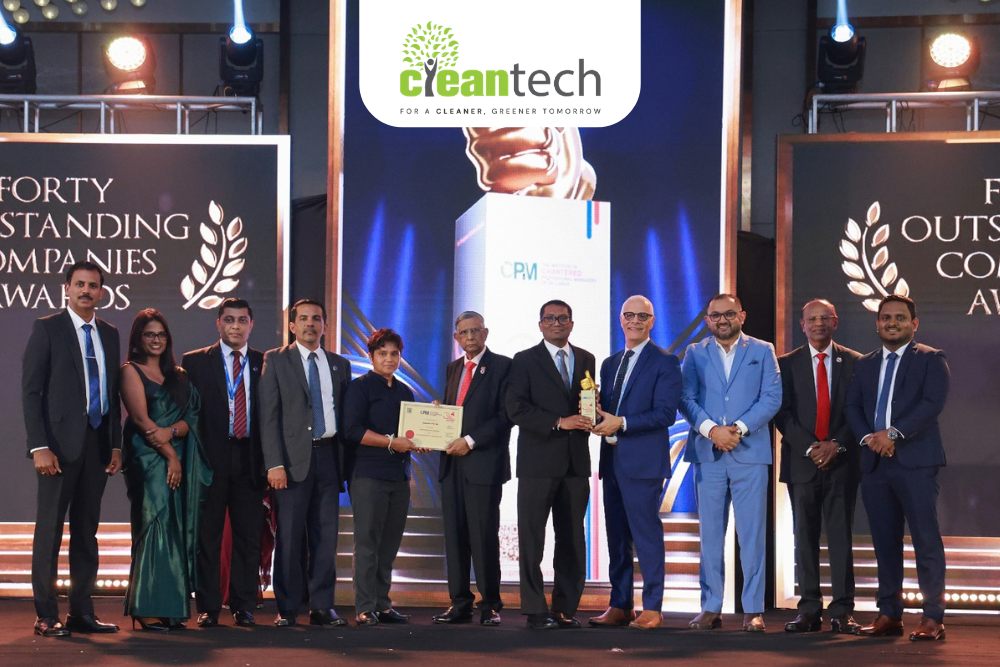
In picture: (From left to right) Mr. Chaminda Rajapakse – Managing Director of GP Certified, Mr. Januka Kularathna – Head of Quality Assurance, Mr. Zev Pestonjee – Environmental and Sustainability Manager, Mr. Rukitha Nanayakkara – Chief Executive Officer (Cleantech Pvt Ltd), Mr. D.N.S. Kuruppumullage – Director/CEO (Ind-Expo Certification Ltd), Mr. Aruna Amaradasa – General Manager (Ind-Expo Certification Ltd), Mr. Kasun Thennakoon – Assistant General Manager (Circular Economy Services) and Mr. Vijayapala Sinnathamby, Project Management Specialist (PLEASE Project, SACEP)

In a significant stride for the nation’s premier sustainability and integrated management system facilitator, CleanTech has achieved a groundbreaking certification for its recycled plastic output. The company is now formally recognized under the Good Plastic Standard – GP 5040: 2025, becoming the first company to meet this rigorous national benchmark for material quality and sustainability.

Mr Shantha Kuruppumullage, the CEO of Ind-Expo Certification Ltd, the premier certification and training body for industries in Sri Lanka, awarded the certification to Mr Rukitha Nanayakkara, the Chief Executive Officer of CleanTech (Pvt) Ltd at a ceremony held on the 7th of January 2026 at the CleanTech office in Colombo. Also present at the event were Mr Vijaypala Sinnathamby, Project Management Specialist from the South Asia Co-operative Environment Programme, Mr Zev Pestonjee, Manager- Environment & Sustainability for CleanTech and Mr Chaminda Rajapakse from GP Certified.

This standard, conceived by the Island Climate Initiative (ICI) with the certificates of conformity issued by Ind-Expo Certification Ltd., represents the country’s inaugural framework for verifying the integrity of post-consumer recycled plastic pellets. For CleanTech, this endorsement validates that its recycled processed materials are not only reliable and consistent, but also produced through ethically and environmentally accountable methods.

This accreditation signals a shift in the market, moving beyond basic recycling to assuring that CleanTech adheres to stringent protocols for health and safety, material durability, and sustainable processing, positioning the company as an industry leader.

Speaking on the milestone, Mr. Kasun Thennakoon, Assistant General Manager of Cleantech, stated: “We are proud to be the first recycler in Sri Lanka to receive GP Certification. This achievement reinforces our commitment to create cleaner cities, support local industries, and contribute to a more sustainable future for the country.”

Echoing this sentiment, Mr. Chaminda Rajapakse, Managing Director of GP Certified, expressed: “Certifying Cleantech marks a major step forward for Sri Lanka’s recycling. This milestone directly supports the rollout of Extended Producer Responsibility (EPR) in Sri Lanka by providing FMCG companies with a credible, local compliance pathway. GP Certified recyclers like Cleantech enable brands to meet EPR obligations through verified recycled content, traceability, and accountable downstream processing, reducing reliance on offsets or non-circular disposal. By linking compliant producers with certified recyclers, GP Certification helps translate EPR from a regulatory requirement into a practical, scalable market mechanism that strengthens domestic recycling and closes the loop.”

By securing this standard, the company is now positioned to supply verified, high-grade recycled plastics to industries that demand uncompromising material standards, particularly fast-moving consumer goods (FMCG) brands seeking sustainable packaging solutions. 

The implications for both the industry and Sri Lanka’s environment remains profound. CleanTech’s certified pellets can now enable manufacturers to confidently integrate recycled content into their products, reducing dependence on imported virgin plastic and advancing a domestic circular economy. This, in turn, drives demand for ethical recycling, diverting plastic waste from landfills and natural ecosystems.

For partners, the certification serves as a trusted seal of quality and responsibility. It assures that materials sourced from CleanTech meets nationally recognised specifications, fostering stronger, sustainability-led supply chains and elevating Sri Lanka’s profile in the global green economy.

As the first formal mechanism of its kind in the country, the Good Plastic Standard paves the way for a transformed market where certified recyclers lead the charge in quality and transparency. CleanTech, distinguished as a certified industry frontrunner, is poised to catalyse this change, turning post-consumer plastic into a valuable, trusted resource for tomorrow’s manufacturing.

CleanTech (Pvt) Ltd, since 1998, has played a pivotal role in maintaining cleanliness and hygiene across key areas and districts of Colombo. Since then, the company been carrying out operations seamlessly, and has been contributing to creating a cleaner, much more hygienic Sri Lanka through various efforts.

With internationally recognized certifications, CleanTech upholds the top global standards in quality, environmental performance, and occupational health and safety, while standing for a cleaner, greener tomorrow for Sri Lanka.

Safe Disposal of Factory Oils and Chemicals with Fluid Waste Management

Factories do a lot of useful work. They make things people use every day. But they also create a lot of liquid waste, and this part usually stays hidden. Used oils, chemical liquids, dirty wash water, mixed fluids that cannot be reused. These fluids don’t look dangerous at first, but they can cause serious problems if they are handled carelessly. In Sri Lanka, where factories are often close to houses, farms, and canals, safe disposal of factory oils and chemicals with fluid waste management is something that needs attention now, not later.

Understanding Factory Oils And Chemical Waste

Most factories use liquids all the time. Machines need oil so that the parts do not rub against each other. Hydraulic systems use fluids to move and lift things. Coolants prevent machines from overheating. Chemicals are used to clean, wash or treat materials. After some time, these fluids change. They pick up dirt, metal dust, heat damage and chemical residues. In that state, they are no longer useful. They become useless. 

This includes used engine oil, hydraulic oil, cutting fluids, solvents, acidic or alkaline wash water, and sometimes a mixture of several fluids together. In Sri Lanka, it is still common to see this waste stored without labels or mixed in a single drum, usually because people don’t think it matters much. But it happens.

Why Improper Disposal Creates Serious Risks

When liquid waste is disposed of without care, damage often occurs slowly. Oil that is poured on the ground seeps slowly into the earth. Plants stop growing well and underground water becomes polluted. People can still use that water without knowing what is inside it. When chemical waste goes down the drain, it usually ends up in canals or rivers. 

It spreads even faster during rain. Sri Lanka’s water system is making it worse, not better. Workers also face risks. Touching the chemicals or inhaling the fumes can cause irritation, breathing problems or health problems that show up years later. Since these effects are not immediate, many people underestimate them.

What Fluid Waste Management Really Means

Fluid waste management is not just about removing waste from a factory. It’s about controlling it from the moment it was created. First, you need to know what type of waste you have. Then store it properly, handle it carefully, transport it safely, and finally treat or dispose of it in a way that does not harm people or the environment. 

There is a need to make this practical in Sri Lanka. Roads are congested, the weather changes quickly and treatment options are limited in some areas. A system that looks perfect but can’t handle heavy rain or long transport routes will fail. Good liquid waste management means doing simple things right again and again.

Identifying Different Types Of Fluid Waste

A big mistake is to think of all liquid waste as the same. Used oil is not the same as chemical washing water. Coolant mixed with metal particles differs from cleaning fluid with detergent. When everything is mixed up, disposal becomes more difficult and risky. 

In Sri Lanka, where treatment options are already limited, mixing waste creates more problems later on. Even basic insulation helps a lot. It is not difficult to keep oils separate from chemical liquids, but it makes handling safer and disposal easier.

Safe Storage Inside The Factory

Many problems start with bad storage. Waste liquids must not be stored in open containers or old damaged barrels. Containers must be sealed, labeled and placed on a stable surface. There should be boards or barriers to catch leaks if possible. 

The climate of Sri Lanka makes it more important. Heavy rain can flood open containers, causing pollution and increasing the volume of waste. Some factories put off deciding on storage because they feel the costs are too high. But poor storage often leads to leakage, clean-up work and sometimes trouble with the authorities. Ultimately, it costs more.

Transporting Waste Fluids Without Causing Harm

Once the waste liquid leaves the factory, the risk does not end. It just continues. Transporting oil and chemical waste through towns and villages can be dangerous if not done correctly. Containers must be secured. Vehicles must not leak. 

At the very least, drivers should be aware that they are carrying hazardous liquid waste. Roads in Sri Lanka pass close to homes, shops and schools. A small leak can affect many people very quickly. Careful transport planning reduces accidents and prevents illegal dumping along the way.

Treatment Methods Used In Fluid Waste Management

After collection and transport, waste liquids require proper treatment or disposal. Used oils can sometimes be treated or prepared for recovery. Chemical waste may need to be neutralized so that it is less harmful. Some liquids must be destroyed under controlled conditions, while others can be treated using chemical or biological methods. 

Sri Lanka’s treatment infrastructure is still growing, so it becomes even more important to manage waste properly before it reaches treatment facilities. Clean, separated waste is much easier to handle than mixed or diluted waste.

Legal And Environmental Responsibilities In Sri Lanka

Factories are responsible for the waste they produce. That responsibility does not end when the waste leaves the site. If improper disposal causes contamination or damage, the source may still be blamed. 

Environmental authorities in Sri Lanka are now paying more attention to industrial waste, especially near water sources and residential areas. Liquid waste management helps factories stay safe instead of dealing with post-loss issues.

Worker Safety And Training Matters

Machines and rules alone cannot prevent accidents. People do. Workers who handle oil and chemicals should understand the basic risks and simple safety steps. In Sri Lanka, many employees learn on the job, not in classrooms. 

Because of this, the system should be easy to understand. Clear labels, simple instructions and basic protective equipment minimize mistakes. Even small improvements in awareness can prevent serious injuries.

Preventing Illegal Dumping And Shortcuts

Illegal dumping still happens, often quietly. High disposal costs and weak supervision make shortcuts tempting. Dumping waste into drains or open land might seem easy, but it usually ends badly. Pollution spreads, communities complain, fines follow, and reputations suffer. Strong fluid waste management systems reduce the need for shortcuts by making proper disposal routine and predictable.

Reducing Waste At The Source

The best waste is the waste that never gets created. Factories can reduce fluid waste by maintaining machines properly, fixing leaks early, using longer-lasting oils, and reusing fluids where it is safe. In Sri Lanka, where many materials are imported and costly, reducing waste also saves money. Less waste means fewer problems later. It’s that simple.

Challenges Unique To Sri Lanka

Fluid waste management in Sri Lanka has its own challenges. Treatment facilities are not evenly spread. Transport routes can be long and crowded. Some industrial areas have limited disposal options. Weather adds another problem. Heavy rain and flooding can spread contamination quickly if storage fails. These conditions mean waste management systems must be built for local reality, not copied from other countries without adjustment.

Community Impact And Public Trust

Factories do not operate in isolation. They exist next to communities. When waste fluids contaminate drains, water, or land, people notice fast. Trust is lost quickly and is very hard to rebuild. Responsible fluid waste management protects the environment and helps keep better relationships with nearby communities. In Sri Lanka, where factories and homes often sit close together, this trust matters a lot.

Long-Term Benefits Of Proper Fluid Waste Management

Proper fluid waste management brings long-term benefits. Fewer accidents, lower cleanup costs, better compliance, and safer working conditions. It also prepares factories for future regulations, which are likely to become stricter over time. Businesses that improve their systems early usually adapt more easily later.

Conclusion

Industrial growth always comes with responsibility. Used oils and chemical fluids are not small side issues. They directly affect water, soil, workers, and communities. Safe disposal of factory oils and chemicals with fluid waste management helps prevent long-term damage and protects public health. 

In Sri Lanka, where industry and daily life exist close together, managing fluid waste properly is not just about rules or paperwork. It is about common sense, care, and thinking ahead. When handled properly, fluid waste stays controlled and manageable. When ignored, it causes damage that lasts much longer than expected.

Modern Garbage Collection Solutions for Sri Lanka’s Cities

Garbage is one of those problems that continues to grow quietly. Another house, another shop, another food stall on the corner. Then suddenly the roads become narrow, drains become increasingly blocked, and collection trucks arrive very late or do not arrive at all. Across Sri Lanka, cities feel this pressure every day.

The urban population is increasing. Consumption habits are changing. The amount of plastic, packaging and food waste is far greater than ten years ago. But in many places, garbage collection still works in the same way as it did decades ago. Manual route. fixed schedule. Limited sorting. And very little data.

That’s why modern Garbage collection solutions make more sense now than ever. Not as a luxury. Not as a “future plan”. But as a practical necessity for health, safety and long-term development of the city.

This article looks at how modern systems are reshaping urban waste collection in cities in Sri Lanka. What works. What a fight. And what does realistic progress look like, without pretending it’s a magic solution.

Why Cities Struggle With Waste Collection

Urban waste problems usually don’t come from one big failure. They come from many small gaps adding up over time.

Cities like Colombo, Kandy, and Galle deal with different layouts, population densities, and traffic patterns. But they share common challenges.

One issue is unpredictability. Waste volumes change by season, festival periods, tourism cycles, and even weather. Fixed collection schedules don’t adapt well. Trucks may arrive half empty one day, then overflow the next.

Another issue is routing. Many collection routes were designed years ago, before new housing clusters or commercial zones existed. Drivers rely on experience rather than real-time planning. Fuel costs rise. Time is wasted. Residents complain.

Then there is sorting, or rather the lack of it. Mixed waste makes everything harder. Recycling becomes expensive. Organic waste rots faster. Landfills fill up quicker than planned.

None of these problems are unique to Sri Lanka. But local conditions make them sharper. Narrow roads, informal settlements, and limited landfill space mean mistakes show up fast.

How Modern Collection Systems Are Different

Modern waste collection does not mean replacing people with machines. It means using smarter tools to support workers, planners, and local authorities. At the core, modern systems focus on three things: visibility, flexibility, and accountability.

Visibility means knowing what is happening on the ground. Which bins are full. Which areas were missed. Which vehicles are running late. Flexibility means adjusting routes, schedules, and manpower based on real conditions, not guesswork.

Accountability means clear records. When a collection was done. Where. And by whom. These ideas sound simple, but they change daily operations in a big way.

Smart Bins And Sensor-Based Collection

One of the most visible changes in modern systems is the use of smart bins. These containers are equipped with simple sensors that measure the filling level. Instead of picking up each box on a specific day, trucks are sent when the boxes are actually almost full. This reduces overflow, especially in high traffic areas such as markets and bus terminals.

In Sri Lanka’s cities, this approach fits well in areas with uneven waste generation. For example, tourist areas may require daily collection during high season, but less frequently in off-season months. Sensors do not have to be complex or expensive. Even basic fill-level alerts can help planners avoid unnecessary trips. Over time, data from these bins builds a clear picture of waste patterns across the city.

Of course, smart bins alone do not solve everything. They need maintenance. Sensors can fail. But when used selectively, they add real value.

Route Optimisation And GPS Tracking

One of the biggest cost drivers in garbage collection is fuel. Another is time.

Modern route optimisation uses GPS tracking and mapping tools to plan efficient paths. Instead of following old routes, trucks are guided based on traffic conditions, bin locations, and priority zones. For cities with heavy congestion like Colombo, this matters a lot. A truck stuck in traffic is not collecting waste. It is burning fuel and losing hours.

GPS tracking also improves supervision. Municipal managers can see where vehicles are in real time. Missed streets are easier to identify. Complaints can be verified, not guessed. For drivers, these systems reduce stress. Routes are clearer. Expectations are more realistic. Over time, accidents and breakdowns often drop because vehicles are used more efficiently.

Segregation At Source And Collection Design

No collection system works well if all waste is mixed together.

Modern approaches place strong emphasis on segregation at source. Households separate organic waste, recyclables, and residual waste before collection. This requires public education, but also collection systems that respect the effort. If people sort waste and then see it mixed again on the truck, trust disappears fast.

In Sri Lanka, organic waste makes up a large share of household garbage. Separate organic collection enables composting, biogas generation, or controlled processing instead of landfill dumping. Collection vehicles can be designed with compartments or scheduled on different days for different waste streams. It is not complicated, but it does require planning and consistency.

Decentralised Collection And Transfer Points

Large central landfills are under pressure across the island. Transporting waste long distances is costly and risky. Modern systems often use decentralised transfer points. Smaller collection vehicles gather waste locally and move it to nearby transfer stations. From there, larger trucks transport consolidated loads to processing or disposal sites.

This reduces traffic impact in dense neighborhoods. It also makes collection more flexible in areas with narrow roads where large trucks cannot enter. For secondary cities and expanding suburbs, decentralised models can be more realistic than one-size-fits-all solutions.

Data-Driven Planning For Local Authorities

One of the quiet benefits of modern garbage collection is data.

Every collection run generates information. Volumes, timings, locations, delays. When this data is stored and analysed, planning improves. Local authorities can see which wards generate more waste. Which days are busiest. Where additional bins are needed. Where staff shortages are causing gaps.

Instead of reacting to complaints, planners can act ahead of problems. This shift from reactive to proactive management is often what residents notice most. Data also helps justify budgets. When decision-makers can see clear trends, funding requests become easier to support.

Worker Safety And System Design

Garbage collection is tough work. Heavy lifting, sharp objects, traffic risks, and exposure to waste all take a toll. Modern systems aim to reduce these risks. Mechanised lifting reduces manual strain. Better route planning reduces rushed driving. Clear schedules reduce overtime pressure.

Protective equipment and training matter too, but system design plays a big role. When collection is chaotic, workers carry the burden. Improving working conditions is not just a social issue. It improves service reliability and reduces staff turnover

Public Engagement And Behaviour Change

No waste system works without public cooperation.

Modern collection programs often include communication tools. SMS alerts for collection times. Simple mobile apps for reporting missed pickups. Clear signage on bins. In Sri Lanka’s urban context, community engagement works best when it is local. Ward-level messaging. School programs. Market-based awareness efforts.

People respond when they see visible improvement. Cleaner streets encourage better behaviour. But the system has to be reliable first.

Technology Limits And Local Reality

It is important to be honest. Technology alone will not fix waste problems. Sensors can break. Software needs training. Power cuts happen. Budgets are limited.

Modern Garbage Collection Solutions must fit local capacity. Simple systems that work consistently are better than complex systems that fail often.

Phased implementation helps. Start with pilot zones. Learn. Adjust. Then expand. Cities that try to leap too far, too fast, often struggle. The goal is steady improvement, not flashy launches.

Environmental And Health Impact

Better garbage collection is not just about cleaner streets. It directly affects public health.

Uncollected waste attracts pests. Blocked drains worsen flooding during monsoon rains. Open dumping contaminates soil and water.

Modern collection systems reduce these risks. Regular removal. Controlled processing. Reduced open dumping.

For coastal cities, improved waste control also protects marine ecosystems. Plastic leakage into waterways is a growing concern around the island.

Environmental benefits often appear slowly, but they are long-lasting.

Financing And Sustainability

Modern systems can cost more than before. Sensors, GPS devices, training and new vehicles require investment. But the long-term costs often fall short. Fuel savings. Reduced use of landfill. Low maintenance due to efficient routing. These savings add up over time.

Public-private partnerships are one way cities can find funding without a heavy upfront burden. Performance-based contracts can coordinate incentives better than fixed arrangements. Transparency is key. Residents are more willing to support fees or taxes when they see real improvements.

The Role Of Policy And Enforcement

Even the best systems fail without enforcement.

Illegal dumping, non-segregation, and misuse of public bins undermine progress. Clear rules and fair penalties are needed. At the same time, enforcement should be paired with support. Access to bins. Clear collection schedules. Practical guidance.

Policy must match reality on the ground. Overly strict rules without infrastructure lead to frustration, not compliance.

What Progress Looks Like In Practice

Progress does not mean perfection.

It looks like fewer overflowing bins. More predictable collection. Better communication with residents. Safer working conditions. It looks like data being used, not ignored. Like small pilot projects scaling slowly, not collapsing.

In Sri Lanka’s cities, progress will look different from place to place. Dense urban cores need different solutions than fast-growing suburbs. The key is flexibility and learning.

Looking Ahead

Urban waste volumes will continue to rise. There is no avoiding that.

What can change is how cities respond. Modern Garbage Collection Solutions offer practical tools to manage growth without letting streets and systems collapse under pressure.

The future is not about copying models from elsewhere blindly. It is about adapting proven ideas to local conditions, budgets, and people.

Cleaner cities are built step by step. With planning, patience, and systems that actually work on the ground, Sri Lanka’s urban waste challenge can become far more manageable.

Not overnight. But steadily, and for the long run.

Why Drainage Cleaning Matters for Flood Control in Sri Lanka

Flooding in Sri Lanka isn’t shocking anymore. When the monsoon comes, most people already expect water on the roads, traffic jams, and sometimes worse. Heavy rain is part of life here, sure. But rain alone isn’t the full problem. The bigger issue is what happens after the rain falls. In many places, water just sits there, with nowhere to go. That’s when things get ugly. Blocked or neglected drains turn normal rain into flooding. This is why Drainage Cleaning Matters for Flood Control, more than people usually think. Clean drains won’t stop the rain, but they can stop the damage.

Understanding Sri Lanka’s Drainage System

Sri Lanka’s drainage system is a mix of stormwater drains, canals, culverts, and roadside drains. The job is simple on paper: collect rainwater and move it away safely. In cities, drains often run underground or along busy roads. In rural areas, open drains and natural waterways do the work. The problem is, many of these systems were built years ago. Back then, there were fewer buildings, fewer roads, and more open land. Now everything is concrete. Water runs faster, but the drains haven’t changed much. Without regular cleaning, these systems struggle badly during heavy rain. And once they struggle, flooding follows.

How Blocked Drains Cause Flooding

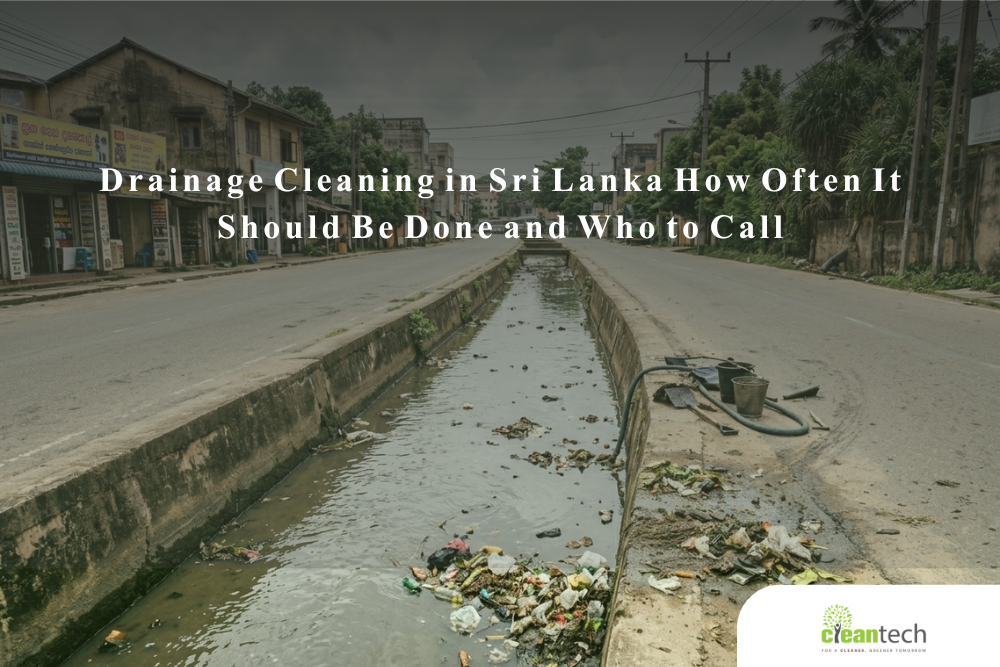
Blocked drains don’t happen suddenly. It’s a slow mess. Plastic bags, food waste, leaves, sand, construction debris it all piles up bit by bit. Water flow becomes slower, then weaker, and eventually stops. When rain starts falling hard, water has no path forward. It spills onto streets, enters houses, floods shops. In many Sri Lankan towns, this happens after just a short rain. That’s the frustrating part. It’s not always extreme weather. Sometimes it’s just one blocked drain that causes hours, or days, of trouble.

The Importance of Regular Drainage Cleaning

Regular drainage cleaning is one of those things people ignore until it’s too late. When drains are cleaned often, blockages don’t get a chance to build up. Water flows smoothly, even during heavy rain. In Sri Lanka, cleaning before the monsoon should be routine, but it’s often delayed. That delay costs a lot later. Regular cleaning also helps spot broken or damaged drains early. Fixing small problems early is cheaper, faster, and less stressful. Honestly, drainage cleaning isn’t complicated work. It just needs consistency, which is where most systems fail.

Flood Control Benefits of Clean Drainage Systems

Clean drains help water move fast. That’s the key. When rainwater drains quickly, it doesn’t sit on roads or collect near homes. This lowers the risk of flash floods. In Sri Lanka, sudden heavy rain is common, so speed matters. Clean drainage also reduces pressure on canals and rivers nearby. Less pressure means fewer overflows. Roads stay usable, transport keeps moving, and businesses don’t shut down for no reason. A clean drainage system quietly does its job, and most people don’t notice it. That’s actually a good sign.

Environmental and Health Advantages

Blocked drains create stagnant water, and stagnant water brings problems. Mosquitoes breed fast, which increases the risk of dengue and other diseases. This is already a serious issue in Sri Lanka. Regular drainage cleaning helps remove stagnant water and lowers health risks. It also prevents dirty runoff from entering rivers, wetlands, and coastal areas. Bad smells, polluted water, and unhygienic surroundings affect daily life more than people admit. Clean drains mean cleaner neighborhoods. And let’s be honest, nobody wants to live next to a smelly, clogged drain.

Economic Impact of Poor Drainage Maintenance

Flooding costs money. A lot of it. Homes get damaged, shops lose goods, and roads need repairs. Transport delays hurt workers and businesses. Small businesses suffer the most when customers stop coming due to flooded streets. In many cases, the cost of fixing flood damage is much higher than the cost of regular drainage cleaning. Over time, flood-prone areas also lose property value. From an economic point of view, drainage maintenance is not an expense. It’s an investment that saves money in the long run.

Urban Areas in Sri Lanka Most Affected by Drainage Issues

Cities face the worst drainage problems. Rapid development, narrow drains, and poor planning leave little room for water to flow. Low-lying areas flood first when drains overflow. Many urban drainage systems are old and were never designed for today’s runoff levels. Concrete roads and buildings make things worse. Informal settlements near canals add extra pressure. In these areas, even small blockages can cause big floods. That’s why drainage cleaning in cities is not optional. It’s necessary.

Best Practices for Effective Drainage Cleaning

Good drainage cleaning starts with regular inspections, especially before the monsoon season. Waste, silt, and vegetation need to be fully removed, not just shifted around. Proper disposal matters too, otherwise the waste ends up back in the drain. Using the right tools helps avoid damage to the drainage structure. Coordination between maintenance teams and local authorities improves results. When cleaning is done properly and on time, drainage systems last longer and perform much better during heavy rain.

Role of Community Awareness and Responsibility

People often forget how much their actions matter. Throwing waste into drains is one of the main reasons blockages happen. Small habits, like using proper bins and not dumping trash into drains, make a big difference. Awareness programs help people understand the link between waste and flooding. Community clean-up efforts also help, especially in residential areas. In Sri Lanka, where drains run close to homes and shops, shared responsibility is important. Cleaner behavior leads to cleaner drains. It’s that simple.

Conclusion

Flooding feels unavoidable sometimes, but many causes are preventable. One of the simplest and most effective solutions is proper drainage maintenance. Clean drains reduce flood risks, protect public health, and save money. Drainage Cleaning Matters for Flood Control because it fixes the problem at its root. With regular cleaning, better planning, and stronger community awareness, flood damage can be reduced a lot. It’s not a complicated solution. It just needs to be done properly and consistently. If Sri Lanka wants a more flood-resilient future, clean drainage systems are a very good place to start.

How Solid Waste Management Turns Waste Into Resources

Solid waste is one of those everyday things that… Well, it keeps growing without anyone noticing until it becomes a headache. A bin is filled here, another bag goes by there, and somehow, before you know it, it’s piling up in homes, shops and entire cities faster than expected. And this happens not only in big cities, but small towns feel it too.

That’s one reason Solid Waste Management is now such a big topic. We’re not in the old days anymore when waste was simply “dump it far away and forget.” More countries, and even small communities, are starting to treat waste as something that might if handled properly turn into a useful resource. Not everything becomes useful, of course, but honestly, more than people think.

This blog tries to explain all that in very simple English. No complicated words, no heavy theories. Just a clear, human explanation of how Solid Waste Management works, why it matters, and how waste can shift from a problem into something valuable.

Understanding Solid Waste Management In Plain Terms

Solid Waste Management, or SWM, is basically the whole process of what happens to waste from the moment you throw it away until the very end. Collection, sorting, carrying it around, treating it   and sometimes turning it into something useful instead of dumping it.

What counts as solid waste?

Solid waste is nearly everything we toss out:

  • daily household rubbish
  • waste from markets, offices, cafés, hotels
  • food scraps
  • plastics, paper, cardboard, glass
  • small hazardous items like old batteries or chemicals
  • workshop or factory leftovers

It’s a wide mix. And one of the biggest issues is when all these different types get thrown together in a single bin. Once mixed, everything becomes harder to manage.

Why Solid Waste Management matters

If waste piles up or gets managed poorly, the consequences show up pretty quickly. You see litter within the streets, bad smells from open dumping, clogged drains after rain, pests spreading round, and truly human beings get frustrated. It’s bad too. Burning plastics releases smoke which could stick in the air and lungs.

A right Solid Waste Management system enables us to keep away from all these troubles. Clean towns appear higher, attract more visitors, assist local businesses, and really experience nicer to live in. It’s more than a central authority problem   it becomes something groups experience proud approximately.

How Waste Can Become A Useful Resource

Here’s the part people don’t always expect: waste can become something useful. Yes, not all of it. But a surprising amount can. With the right system, waste can create jobs, produce energy, improve soil, and even reduce how much we spend on new materials.

Recycling: a second life for materials

Recycling is one of the easiest examples. When waste is sorted properly:

  • paper becomes new packaging or notebooks
  • metal becomes new tools or machine parts
  • glass melts and becomes new bottles
  • plastic turns into pellets that factories use again

and this is the key: recycling works best when people sort their waste before throwing it. Dirty, mixed waste makes recycling harder, sometimes impossible.

Turning food waste into compost

A huge amount of global waste is food that ends up in bins. But food waste does not need to go to landfills. It can become compost. Compost is like a natural soil booster used in gardens, farms, or planting trees in cities.

Instead of producing methane gas in landfills (which is harmful), composting food waste creates something helpful. It improves soil and reduces the need for chemical fertilisers.

Energy recovery: getting power from waste

Some waste can be used to produce energy. This is not science fiction; many countries do this already.

  • Waste-to-energy plants burn certain waste in controlled environments
  • Organic waste can be used to make biogas
  • Industrial waste heat can be captured and reused

These methods help reduce the use of coal or fuel, even if only a little at a time.

Reuse and upcycling

Sometimes the best waste solution is to reuse the item. Repairing broken furniture, keeping jars instead of buying new containers, repurposing bottles, or using old materials for creative projects   these simple actions reduce waste more than people realise.

Upcycling gives items a new purpose, often better than the original.

Key Steps That Make Solid Waste Management Work

Solid Waste Management might sound like a huge government operation, but it’s really a set of simple steps done properly.

Step 1: Sorting at home or workplaces

Sorting is not complicated. It’s just separating the three basic types:

  • organic waste
  • recyclables
  • general waste

When waste is sorted early, everything that comes after   collection, composting, recycling   becomes smoother. Even labels on bins help reduce mistakes.

Step 2: Reliable collection and transport

Once sorted, waste must be collected regularly. If garbage trucks don’t come on time, people lose patience and dump waste wherever they can. Collection teams should be trained and respectful because they’re doing essential work.

Clean vehicles, proper routes, and a fixed schedule make the whole system reliable.

Step 3: Processing and treatment

After collection:

  • recyclables go to sorting centres
  • food waste goes to compost sites
  • suitable waste goes to recycling plants
  • energy-recoverable waste goes to special units
  • the final leftovers   only those   go to landfills

Economic And Environmental Benefits That Follow

When Solid Waste Management is done well, the benefits spread wider than people think.

More jobs

Waste management creates many types of jobs:

  • collectors
  • composting teams
  • drivers
  • recycling plant workers
  • sorting centre staff
  • repair shops and reuse centres

A whole ecosystem forms around waste   in a good way.

Cleaner, healthier neighbourhoods

Proper waste systems create:

  • less litter
  • fewer pests
  • cleaner air
  • safer public areas
  • better spaces for children

Saving natural resources

Recycling reduces the need to dig up metals or cut more trees. Composting reduces chemical fertilizer demand. Reuse reduces manufacturing needs. All these steps protect nature and support a circular economy.

Conclusion

Solid Waste Management is not only about collecting rubbish. It’s about understanding that waste can actually hold value, and if we manage it properly, it becomes part of a useful cycle instead of a burden.

When communities follow simple steps   sorting, collecting, composting, recycling   they transform waste into resources. Cleaner streets, healthier people, more jobs, and less pressure on landfills are all part of the result. It’s slow work sometimes, yes, but it works.

A cleaner, more sustainable future starts with small habits. Where we put our waste matters. How we handle it matters. And when everyone takes even a small bit of responsibility, Solid Waste Management becomes something powerful, turning yesterday’s waste into tomorrow’s resource.