
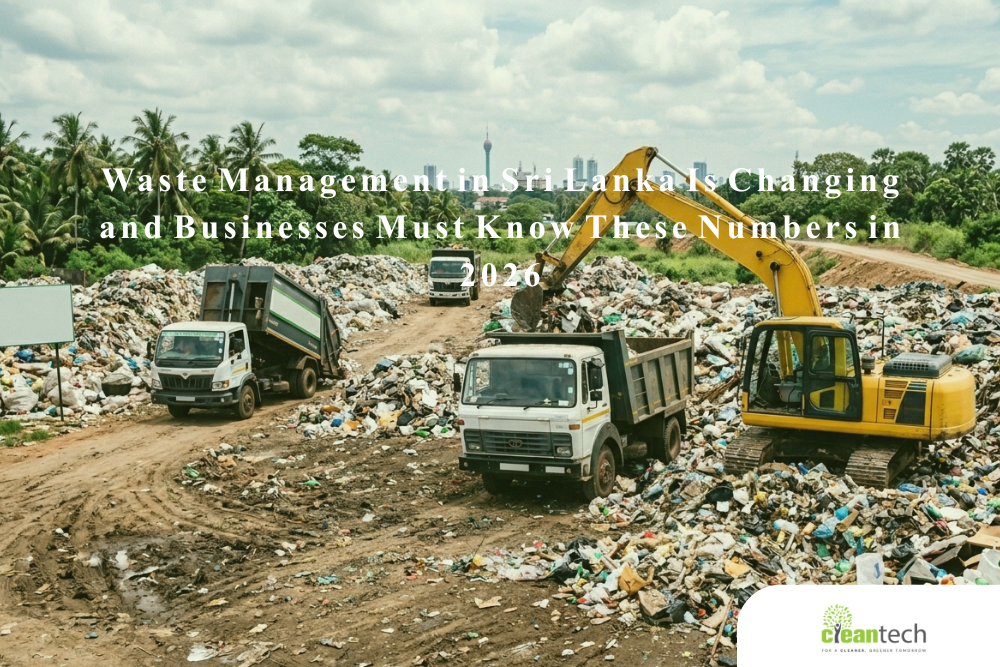
Waste management in Sri Lanka… yeah, it’s not what it used to be. A few years ago, most businesses didn’t really think too deeply about where their waste went. It was more like collect it, dump it, move on. But 2026 is shaping up differently.
Now, there’s more pressure. Regulations are getting tighter, cities are generating more waste than ever, and customers (quietly or loudly) are starting to care. So if you’re running a business, even a small one, understanding the numbers behind waste management in Sri Lanka isn’t optional anymore. It’s kind of essential.
Let’s walk through what’s actually changing and the numbers you really should be paying attention to.
The Current State of Waste in Sri Lanka
Sri Lanka produces a huge amount of solid waste every single day, thousands of metric tons, in fact. And most of it comes from urban areas where businesses are heavily concentrated.
Here’s the problem though: a big portion of this waste still isn’t properly segregated. Everything gets mixed together: organic, plastic, paper, you name it. That makes recycling harder, more expensive, and sometimes… impossible.
For many businesses, the surprising part is this: they don’t actually know how much waste they generate. Not exactly, anyway. And that lack of clarity? It usually leads to higher costs and missed opportunities to reduce waste.
Key Waste Generation Figures (2026 Estimates)
Let’s break it down a bit:
- The average person in Sri Lanka generates around 0.7–1 kg of waste per day
- Total national waste output is estimated to exceed 7,000 metric tons daily
- Only a small percentage (roughly 20–30%) is effectively recycled
Those numbers may not sound shocking at first but for businesses, they add up fast.
Government Regulations Businesses Must Watch
If there’s one thing that’s clearly changing in 2026, it’s regulation.
Authorities are paying more attention to how waste is handled, especially by commercial entities. It’s no longer just about getting rid of waste, it’s about how you do it.
Businesses are now expected to:
- Separate waste at the source
- Work with approved waste collectors
- Reduce landfill contributions where possible
And yes, there are consequences for ignoring these rules.
Important Compliance Numbers
Some numbers worth keeping in mind:
- Fines for improper waste disposal are increasing
- Waste collection fees vary depending on volume and type
- Certain areas are introducing mandatory segregation ratios
Not every business tracks these closely but maybe they should.
The Cost of Poor Waste Management
Here’s where it gets a bit real.
Bad waste management doesn’t just hurt the environment, it quietly drains money from your business. You might not notice it day-to-day, but over time, it builds up.
Mixed waste costs more to process. Larger volumes mean higher collection fees. Inefficient systems waste time and labor.
And then there’s the less obvious cost: reputation.
Customers are more aware now. If your business is seen as careless about sustainability, it can affect trust. Not overnight, maybe but gradually.
Recycling and Sustainability Trends in 2026
There is some good news though. Things are improving just slowly.
Recycling rates in Sri Lanka are increasing, even if they’re still below global averages. More businesses are stepping into sustainability, not just because they have to, but because it actually makes sense long-term.
You’ll notice more companies:
- Reducing single-use plastics
- Partnering with recycling services
- Tracking their waste output
Numbers That Show the Shift
- Recycling rates are gradually rising toward 30% in some regions
- A growing number of businesses are adopting ESG-focused practices
- Landfill dependency is slowly decreasing (though still significant)
It’s not perfect but it’s moving.
Why Waste Segregation Is Now a Business Priority
If there’s one thing you take away from all this, it should probably be this: segregation matters.
Separating waste at the source before it becomes a mixed pile makes everything easier.
Recycling becomes more efficient, disposal costs go down, and compliance becomes less of a headache.
Still, a lot of businesses delay this step. Maybe it feels complicated, or unnecessary.
But in 2026, not doing it might actually cost more than doing it.
Industry-Specific Waste Insights
Not all businesses produce the same kind of waste. That’s pretty obvious but it’s often overlooked.
Different industries need different waste strategies.
Examples by Sector
- Retail & supermarkets: mostly packaging waste (plastic, cardboard)
- Hospitality sector: high levels of food and organic waste
- Offices: paper waste, plastics, and e-waste
Understanding your waste type is the first step toward managing it better. Sounds simple, but many skip it.
Technology and Innovation in Waste Management
This is where things start to get a bit more interesting.
Technology is slowly entering the waste management space in Sri Lanka. Not everywhere yet, but it’s growing.
Businesses are starting to use:
- Digital tracking systems to monitor waste
- Smart bins and collection scheduling
- Data to identify waste reduction opportunities
It’s not just about being “modern” it actually helps reduce costs and improve efficiency.
What These Numbers Mean for Businesses in 2026
So, what does all of this really mean?
Basically, waste management is no longer just an operational task sitting in the background. It’s becoming part of business strategy.
If you understand the numbers, you can:
- Cut unnecessary costs
- Stay compliant with regulations
- Improve your sustainability profile
If you ignore them… Well, things might get a bit more expensive and complicated down the line.
Conclusion
Waste management in Sri Lanka is clearly changing, and 2026 feels like a turning point.
The numbers tell a pretty straightforward story: businesses that manage waste better tend to save money, stay compliant, and build more trust with customers. It’s not just about doing the right thing anymore; it’s also about doing the smart thing.
So yeah, waste management in Sri Lanka might not be the most exciting topic. But if you’re running a business, it’s definitely one you can’t afford to ignore anymore.