
Waste Management in Sri Lanka’s cities is turning into a real test. Colombo, Kandy, Galle everywhere you look, more people, more apartments, more shops, and yep, more trash. The speed of urban growth is crazy compared to a decade ago, and the old ways of just dumping or burning waste don’t really cut it anymore. Overflowing bins, clogged drains, bad smells urban life gets messy fast if waste isn’t handled well. But the good thing is, there are smart approaches coming up. Some are simple, some high-tech, and most are practical if done right. Let’s walk through seven of them that can actually make urban living cleaner and less stressful.
1. Source Segregation in Homes and Apartments
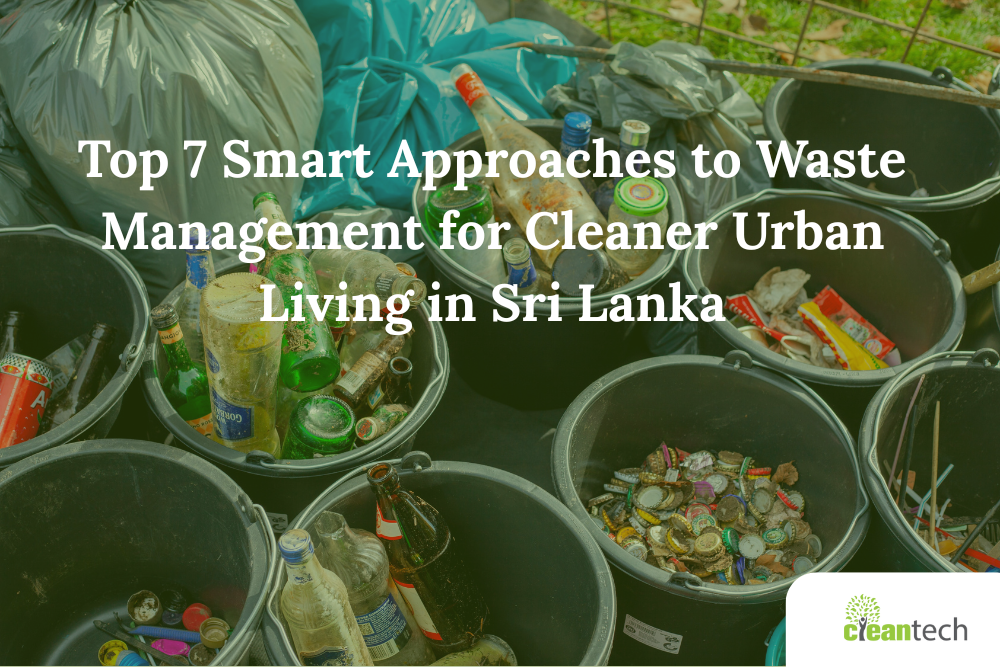
It might sound like the same old advice, but honestly, source segregation is the backbone of modern waste management. When people just toss food scraps, plastic bottles, and broken glass into the same bin, it turns into a useless pile. Hard to recycle, messy to compost, and risky for the workers who handle it later.
In urban Sri Lanka, more apartments and gated communities are starting to try out separate bins. Green for organic, blue for recyclables, red or black for the rest. Some even add little posters in staircases so residents don’t forget. It’s not perfect, people still mess up, but even 60–70% proper sorting makes a huge difference. Imagine if every high-rise in Colombo did this it’d cut down the chaos at dumping yards immediately.
2. Community Recycling Hubs
Not everyone can store a mountain of waste at home till collection day. That’s where community hubs help. Think of it like a neighborhood drop-off point safe, clean, and open at convenient times.
Some local councils in Sri Lanka already test this idea. A few schools run weekend collection drives too, letting families bring in plastics, e-waste, and cardboard. Businesses sometimes sponsor these hubs as part of their CSR work. The main win here is convenience. If people know a recycling point is five minutes away, they’re less likely to burn trash or toss it in the nearest drain. Small steps, but urban life depends on small steps adding up.
3. Composting in Urban Spaces
Now let’s talk about food waste. In cities, half of what we throw away is organic veggie peels, rice leftovers, and garden trimmings. Landfills can’t handle all that without stinking up the whole area. But composting flips the story.
Households with balconies or small gardens can use compact compost bins. Toss in kitchen scraps, let microbes do their job, and within weeks, there’s rich fertilizer. Restaurants, hotels, and even some apartments are trying larger versions. One hotel in Colombo turns tons of buffet leftovers into compost for its landscaping. It’s like turning yesterday’s lunch into tomorrow’s greenery. Urban composting isn’t always easy, yes, but when people try it, they usually realize it’s not as messy as they feared.
4. Efficient Waste Collection Systems
Collection is where most city residents get frustrated. You bag up the trash, but the truck doesn’t come on time, bins overflow, dogs drag it across the street, and suddenly your lane smells like a dump.
Smart collection systems can fix this. For example, fixed schedules so households know exactly when to bring waste out. GPS on trucks so councils track routes and delays. Even bins with sensors that ping when they’re full. Some of these are still pilot ideas in Sri Lanka, but they’ve worked elsewhere. Think about it: instead of trucks wasting fuel driving half-empty routes, they only go where bins are full. Cleaner streets, lower costs, and less chaos for residents.
5. Public-Private Partnerships for Recycling
Urban recycling needs scale, and scale usually means money plus expertise. Governments alone can’t handle it, private companies alone can’t cover everyone, but together it works better.
In Sri Lanka, partnerships are slowly forming. Private recyclers set up plants for plastics or paper, while councils help collect and channel the waste. Businesses join in too, offering funds or space for hubs. It’s not smooth everywhere bureaucracy can slow things but when it works, cities benefit. Modern recycling plants, better logistics, more jobs. If Sri Lanka keeps building these partnerships, urban waste can move from being a burden into an actual economic activity.
6. Awareness and Citizen Participation
At the end of the day, all the fancy systems mean nothing if citizens don’t care. If people keep tossing garbage on sidewalks, or mixing food waste with glass bottles, the cycle breaks. That’s why awareness campaigns matter more than most people think.
Urban clean-up drives in Sri Lanka are a good start. You see school kids, office workers, even police officers picking up trash together. It’s symbolic, but it also builds habits. Social media campaigns help too, especially with younger crowds. Apps where citizens report illegal dumping can add pressure on councils. The truth is, waste management is half technology, half human behavior. Without the behavior part, nothing holds.
7. Innovation and Technology Integration
Finally, the tech side. Cities worldwide are moving toward smart waste systems, and Sri Lanka is dipping its toes too. AI-powered sorting machines, digital platforms to schedule pickups, waste-to-energy plants, and even blockchain for tracking recycling streams are no longer sci-fi.
Colombo has seen a few trials with smart bins, and private companies are testing mobile apps for waste pickup. The cost is still a hurdle, but as tech gets cheaper, more of these tools will arrive. Urban life is getting faster, more digital. Waste management has to keep up, and tech is the bridge.
Future Outlook
Sri Lanka’s urban centers are at a tipping point. Keep doing things the old way and cities will drown in their own trash. Shift toward these smarter approaches, though, and the whole environment, streets, air, rivers improves in a few years.
Global examples show it’s possible. Singapore, Seoul, Tokyo they’ve all had to battle urban waste mountains. Sri Lanka doesn’t need to copy everything but can adapt the smart ideas that fit its size and culture. And let’s not forget waste management isn’t just cleanup. It creates jobs, fuels recycling industries, and builds healthier cities.
Conclusion
Waste Management is not some boring municipal job tucked in the background anymore. For cleaner urban living in Sri Lanka, it’s the difference between streets full of garbage and cities people actually enjoy living in. With seven approaches, segregation, community hubs, composting, efficient collection, partnerships, awareness, and tech there’s already a roadmap in place.
Every citizen, every business, every council department has a role to play. If even half of them adopt these smarter ideas, the change will show fast. Cleaner air, less dumping, fewer health risks, better-looking neighborhoods. Urban life deserves that, and honestly, Sri Lankans deserve it too. Waste is not going away, but how we manage it decides if our cities stay livable or sink under the pile.