
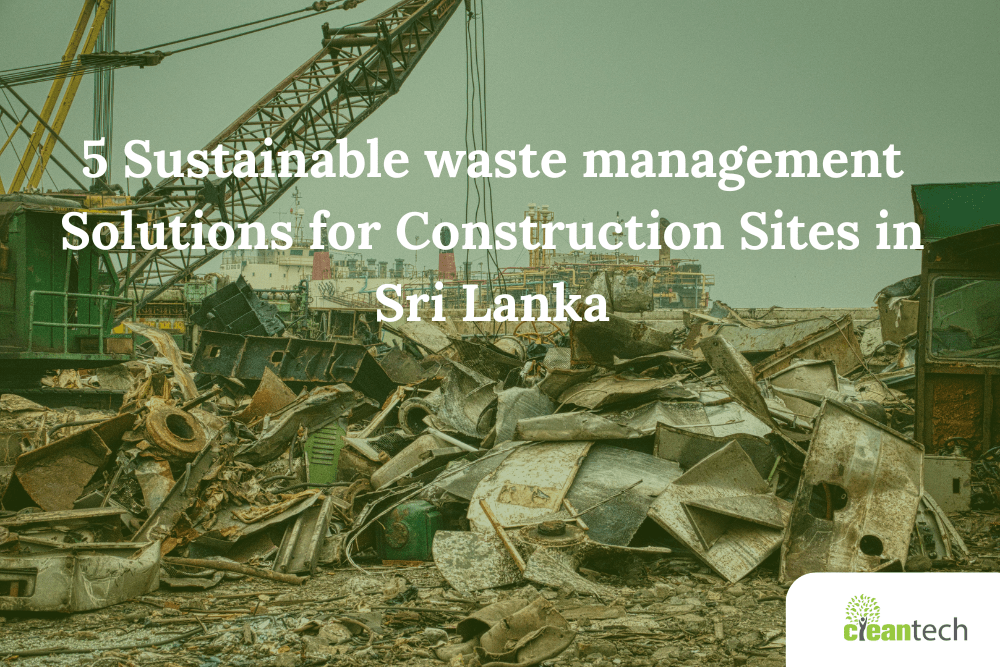
Construction is booming all over Sri Lanka from new buildings in Colombo to highway projects stretching across Kandy and Galle. But along with all that progress comes a mess of piles of debris, broken tiles, concrete, and waste that often ends up where it shouldn’t. Managing this waste properly isn’t just a fancy environmental idea; it’s something we really need to focus on if we want cleaner cities and healthier surroundings. When we talk about waste management in Sri Lanka, especially on construction sites, we’re really talking about sustainability, cost-saving, and responsibility all rolled into one.
The Environmental Impact of Construction Waste
Improper coping with construction waste in Sri Lanka has emerged as a developing environmental problem, particularly in speedy-developing cities like Colombo, Kandy, and Galle. When debris and dangerous materials are dumped without proper sorting, they contaminate soil and nearby water assets, growing lengthy-term waste disposal problems. Dust and air pollution from demolition sites also have an effect on nearby communities and nearby biodiversity. Many regions face demanding situations because of the confined landfill ability and the absence of an efficient recycling infrastructure, mainly out of control waste piles and illegal dumping. These problems now not only harm the environment however additionally harm public health and concrete aesthetics. Understanding the environmental effect of creating waste is critical for promoting sustainable building practices and defending Sri Lanka’s fragile ecosystems from similarly degradation.
Solution 1: On-Site Waste Segregation and Recycling
One of the smartest ways to reduce the load is through on-site waste segregation and recycling. It’s not complicated, just sort things before tossing them out. Wood, metal, concrete, glass when separated properly, most of it can be reused or recycled. This simple step can cut down tons of landfill waste. The Central Environmental Authority (CEA) in Sri Lanka actually recommends this practice for construction sites. In Colombo, a few projects already started training workers to handle waste separation properly. Contractors who make the effort not only save disposal costs but also keep their sites cleaner. It’s a win-win situation for both the environment and the builders trying to do things right in recycling construction materials in Sri Lanka.
Solution 2: Reuse of Construction Materials
Here’s another easy fix: reuse construction materials instead of throwing them away. Bricks, tiles, old timber, even metal frames can be reused with just a bit of effort. Many local projects have started doing this. For example, some builders in Colombo crush old concrete for new road foundations, and others use reclaimed wood for flooring or furniture. Not only does this save money, but it also reduces the demand for new raw materials. This is what eco-friendly construction in Sri Lanka should look like using what we already have, smartly and efficiently, while cutting down on waste and carbon footprint.
Solution 3: Partnering with Licensed Waste Management Companies
If managing waste feels too overwhelming to handle internally, it’s best to bring in the experts. Hiring licensed waste management companies ensures that all waste is collected, sorted, and disposed of properly. This helps you avoid fines, stay compliant with regulations, and contribute to a cleaner environment. These professionals follow official standards and make sure recyclable materials are given a second life. Working with licensed waste disposal experts keeps your project environmentally responsible and saves you from potential future headaches.
Solution 4: Use of Sustainable Building Materials
Incorporating inexperienced constructing substances in Sri Lanka is a critical step toward eco production and reducing creation waste. Materials including fly ash cement, recycled metal, bamboo, and different low-effect sources no longer best decrease environmental harm but additionally improve the sturdiness and performance of homes. The Sri Lankan government encourages the adoption of sustainable substances through incentives and aid for tasks that meet environmental requirements. Builders aiming for certifications like LEED or GreenSL can extensively benefit with the aid of using these green options, which assist achieve electricity efficiency, decrease carbon footprints, and responsible resource management. By prioritizing sustainable substances, creation agencies in Colombo, Kandy, and Galle can set new benchmarks for environmentally aware building practices even as contributing to a greener future for Sri Lanka.
Solution 5: Digital Waste Tracking and Smart Planning
Adopting digital construction solutions is an innovative way to enhance smart waste management in Sri Lanka. Technology allows creation firms to music fabric utilization, monitor waste era, and plan sources successfully, decreasing useless disposal. Tools for digital reporting and analytics help managers perceive areas where waste may be minimized, streamline recycling techniques, and ensure compliance with environmental regulations. Several ahead-searching Sri Lankan construction companies are integrating software platforms to monitor creation debris, agenda waste collection, and generate sustainability reports for stakeholders. By leveraging these digital gear, contractors in Colombo, Kandy, and Galle can implement proactive waste reduction strategies, improve operational efficiency, and promote transparency in green production practices across Sri Lanka.
Government Regulations and Green Building Policies
Sri Lanka has hooked up numerous creation waste policies and environmental guidelines to control the developing waste from building activities. The Ministry of Environment and the Central Environmental Authority (CEA) are the number one corporations overseeing compliance, making sure that construction sites comply with safe disposal, recycling, and reporting standards. Key policies emphasize reducing landfill dependency, promoting fabric reuse, and encouraging green constructing practices across city and rural regions. Contractors and developers are encouraged to strictly adhere to these waste control regulations in Sri Lanka to keep away from fines, felony consequences, and reputational harm. Following local recommendations no longer most effectively ensures regulatory compliance; however, it also contributes to sustainable creation practices, protects natural assets, and supports the kingdom’s long-time environmental dreams.
Conclusion
Sustainable construction isn’t something far-fetched anymore, it’s becoming essential. Every contractor, builder, or worker has a role in reducing waste and protecting the environment. From sorting and reusing materials to hiring certified disposal services and adopting digital tools, small actions can make a big difference. Adopting sustainable waste management solutions for construction sites in Sri Lanka isn’t just a good idea, it’s the foundation for building a greener, smarter future for our country.